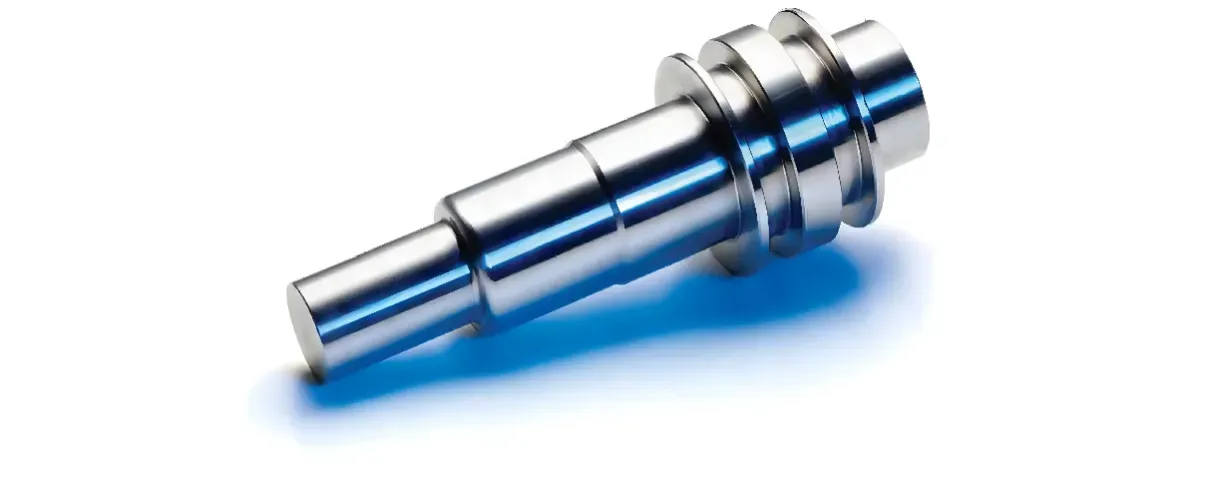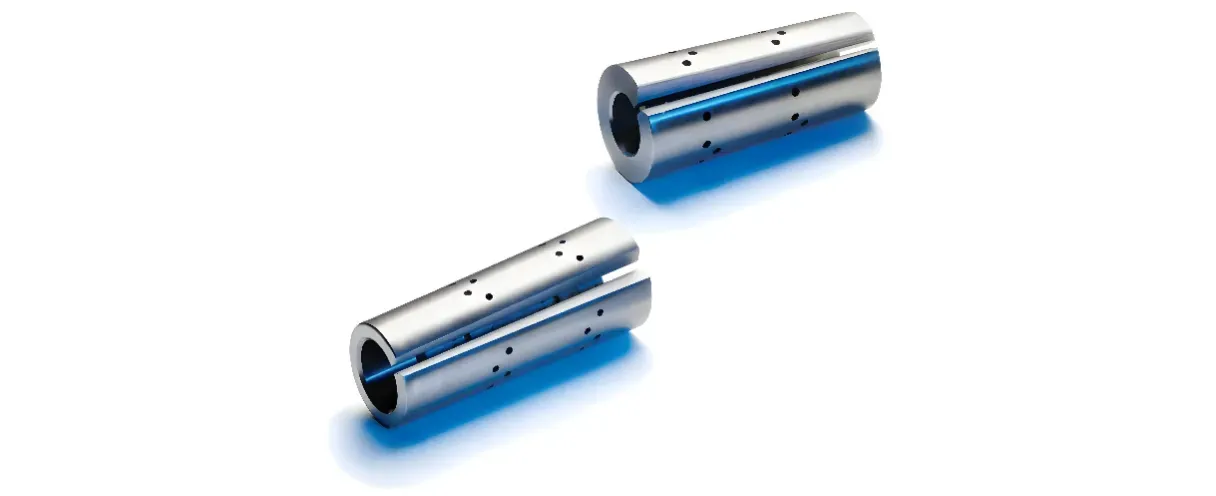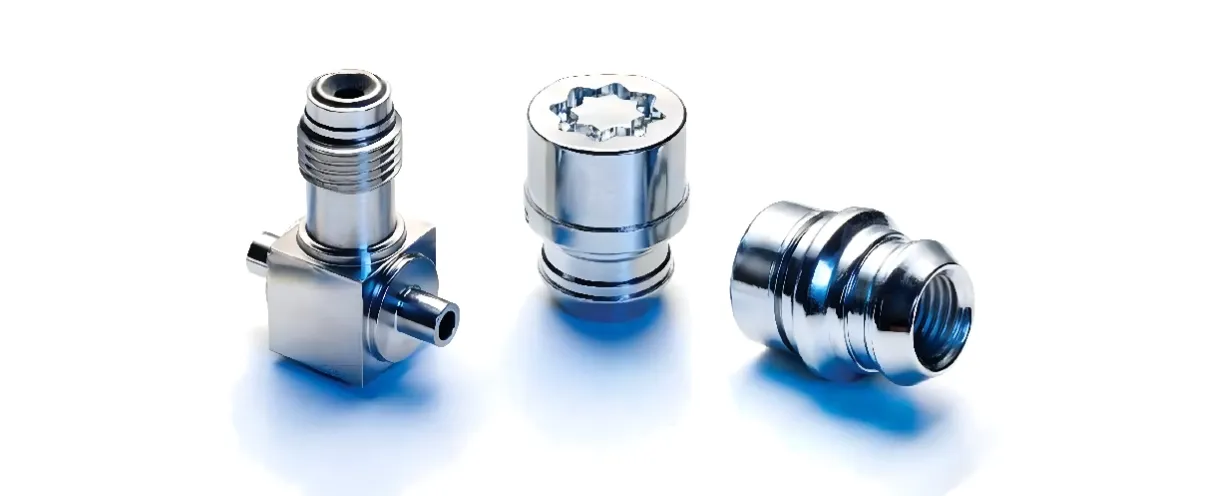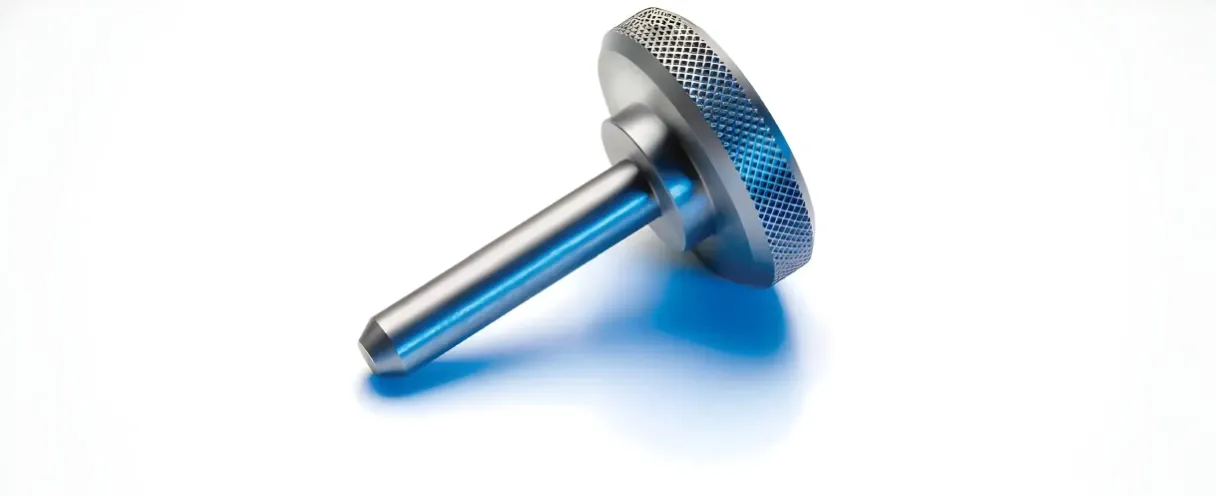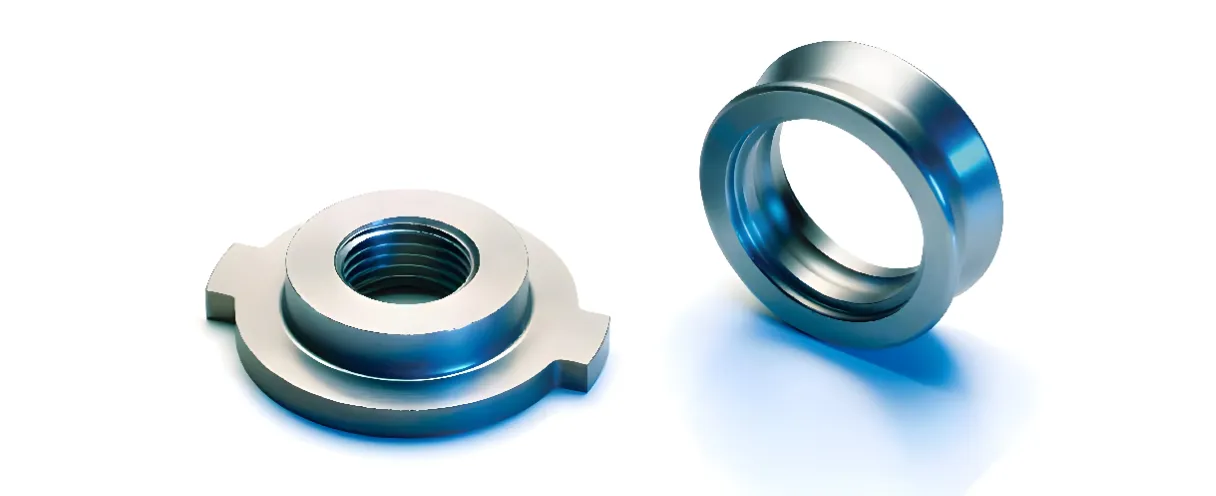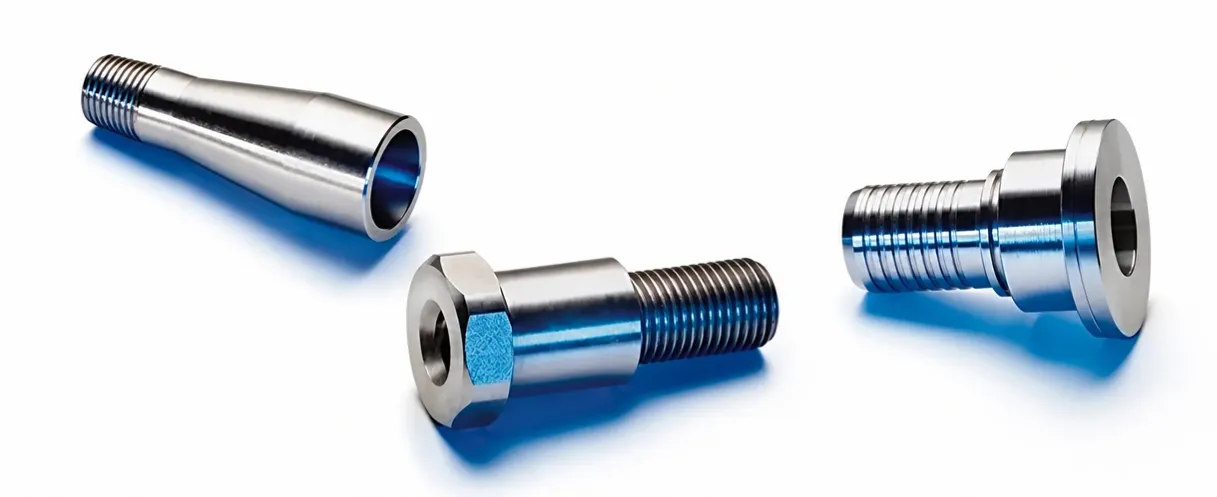
The stainless steel 1.4418 is a high strength low carbon martensitic grade that offers very good corrosion resistance. Some of the main properties of this stainless steel grade are: Very good corrosion resistance, high mechanical properties, good weldability, acceptable machinability, magnetic. The main application fields for this 1.4418 grade are off-shore industry, chemical industry, hydraulic industry, mining industry.
| EUROPE | ITALY | GERMANY | FRANCE | UK | USA | ||
|---|---|---|---|---|---|---|---|
|
|
|
|
|||||
| Grade | N° | Werkstoff | N° | ||||
| X4CrNiMo16-5-1 | 1.4418 | Z6CND16-05-01 | |||||
Chemical composition of 1.4418 according to European Standard EN10088 is:
| C | Si | Mn | P | S | Cr | Mo | Ni | N | |
|---|---|---|---|---|---|---|---|---|---|
| Min | 15,0 | 0,80 | 4,0 | 0,020 | |||||
| Max | 0,06 | 0,70 | 1,50 | 0,040 | 0,015 | 17,0 | 1,50 | 6,0 |
According to European Standard EN 10.088, these are the typical values of some physical properties for a steel 1.4418:
| Property | 20ºC | Up to 100ºC | Up to 200ºC | Up to 300ºC |
|---|---|---|---|---|
| Density (g/cm3) | 7,7 | |||
| Modulus of Elasticity (GPa) | 200 | 195 | 185 | 175 |
| Coef. Of thermal expansion (x10-6/ºC) | 10,3 | 10,8 | 18,0 | |
| Thermal Conductivity W/mºC | 15 | 11,2 | ||
| Thermal Capacity J/KgºC | 430 | |||
| Electrical Resistivity mm2 /m | 0,80 |
This quality has a general very good corrosion resistance compared to 1.4057 steel grade.
The pitting corrosion resistance is given basically by the chromium and molybdenum content. A parameter used to compare the pitting corrosion resistance of different grades is the number PRE [Pitting Resistance Equivalent] which is defined as follows:
PRE=%Cr + 3,3*%Mo+16*%N
The higher this parameter is, the better the pitting corrosion resistance of the steel.
| 1.4418 | 1.4057 | 1.4016 | |
|---|---|---|---|
| PRE | 18 | 15 | 16 |
Martensitic steels are generally susceptible to stress corrosion cracking. For applications requiring high stress corrosion cracking, Duplex steels such as 1.4362 and 1.4462 are more suitable.
In certain processes or high temperature applications, precipitation of chromium carbides at the grain’s boundaries may happen. This Chromium is shifted from the matrix thus favouring intercrystallyne corrosion. The low C content of this grade 1.4418 makes it less likely to suffer from Chromium carbide precipitation in comparison with other martensitic stainless steel grades, and thus it has improved intergranular corrosion resistance.
The values of some mechanical properties at room temperature according to European standard EN10.088 for a martensitic grade 1.4418 can be found in the following table depending on the applied heat treatment:
| Heat Treatment | Hardness (HB) | Rp0,2% (MPa) | Rm (MPa) | A (%) | Impact Energy (J) |
|---|---|---|---|---|---|
| Annealing | <320 | <1100 | |||
| Q&T 760 | >550 | 760-960 | >16 | >90 | |
| Q&T 900 | >700 | 900-1100 | >16 | >80 |
Martensitic steels have good aptitude to be worked by any manufacturing process such as hot forming, cold forming, welding or machining. The mechanical properties of this stainless steel grade can be modified by different heat treatments such as annealing or Q&T.
Martensitic steels can be welded by any conventional welding method but pre heating of the material is recommended as well as the application of a post welding treatment.
The heat treatment for this steel may vary depending on the desired mechanical properties. The annealing heat treatment consists in heating the material up to 600-650ºC to then cool it in the furnace or air. Regarding the quench and tempering process (Q&T) following alternatives are available.
| Heat Treatment | Quenching | Tempering | |
|---|---|---|---|
| Temperature (ºC) | Cooling | Temperature (ºC) | |
| Q&T 760 | 950-1050 | Oil / Air | 590-620 |
| Q&T 900 | 950-1050 | Oil / Air | 550-620 |
The 1.4418 is suitable for machining operations although its machinability will depend on the obtained hardness. When better performance during this process is required, an improved grade of machinability is available: Mecamax 1.4418.
Phone
(0216) 593 04 74